Guide
Struggling in relationships
Difficulties with a partner, family or colleagues often follow a pattern that is hard to step out of, however much you would like things to go differently. Many people know this.

Reviewed by Laurentiu Nicolae Costrut, psychologist (OPP 32887) · 2 November 2026 · Sources
What therapy does
Sessions are individual. You look at what happens in you when an argument starts, whether you press on or pull back, and practise responding in a way that does not keep the cycle going.
How to start
A free 25-minute conversation by video.
How the pattern can feel
The same pattern, again
The same argument keeps coming back and never quite gets settled. Often one person pushes to talk while the other goes quiet or walks away. Afterwards it is hard to apologise or move on, and the same pattern can show up with a partner, family or colleagues.
You are not the only one
In a large US study of married couples, about three in ten were in serious difficulty in their relationship. You do not need a diagnosis to talk about it.
Why the pattern can last
Two ways of understanding the pattern
Conflict often settles into a cycle: one person presses for change, the other pulls back, and each reaction sets off more of the other.
Both approaches look at your side of the cycle: what happens in you when the pattern starts.
Compassion Focused Therapy
When the threat system takes over in a relationship, people move into self-protection, such as attacking, withdrawing or giving in.

Internal Family Systems
The reactions that take over in an argument are seen as protective sides of you, trying to keep you from being hurt.
What can help
How therapy works with relationships
Sessions here are individual, whether the difficulties are with a partner, family or colleagues: you look at what happens in you when the pattern starts. If you and a partner both want to work on it together, couples therapy is the other route, with the most research behind it. Below are the two approaches we use.
In Compassion Focused Therapy, you look at what happens in you when you feel criticised or shut out, and practise responding from a calmer, kinder place.
In Internal Family Systems, you get to know the sides of you that take over in an argument, and what they are trying to protect.
How both approaches are used in a sessionNothing is forced. You can slow down or pause at any point.
Urgent help
When to seek urgent help
If you are in danger, or thinking about ending your life, call 112 (or your local emergency number) now, or go to the nearest emergency department.
If someone close to you hurts, threatens or controls you and you are in danger, call the emergency number above.
findahelpline.com lists free helplines in every country.
Limits
Who this is not for
Your psychologist offers talking therapy by appointment. Some situations need other care first: a crisis, hearing or seeing things others do not, extreme mood swings, eating that affects physical health, alcohol or drug use that has become hard to stop, or a need for medication or a hospital stay. Your family doctor can refer you to the right specialist care.
If you are unsure, mention it in your request. The initial consultation is also there to check this together.
What we recommend
Books and tools to explore
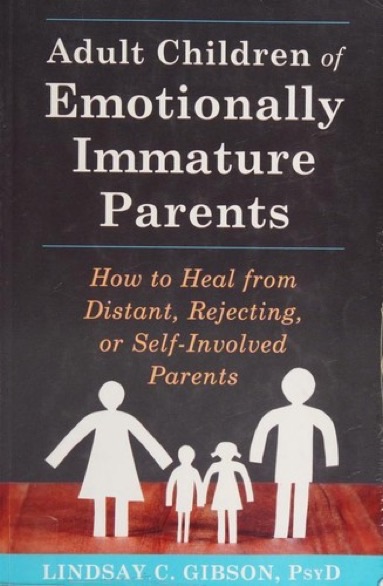
To explore at your own pace, alongside therapy or before you start.
Explore the Relationships shelf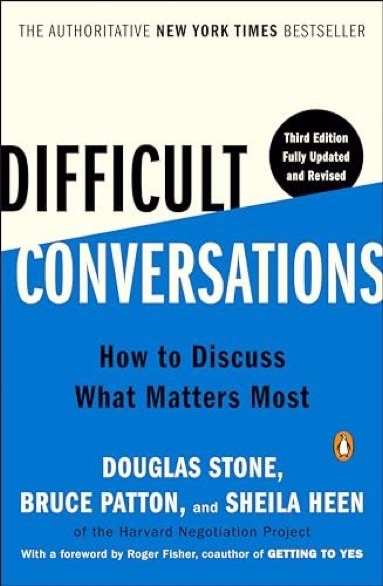

Whether the difficulties are with a partner, family or colleagues, you can work on them in individual sessions: studies show that individual therapy can reduce problems with other people, although this research is still young. The best-studied example is interpersonal psychotherapy, which works directly on conflicts with others and has been researched mainly in people with depression. When the difficulties are with a partner and you both want to work on them together, couples therapy has the most research behind it.
The two approaches we use, Compassion Focused Therapy and Internal Family Systems, have not yet been studied for relationship problems specifically. What research does show, across every kind of therapy, is that how well you and your psychologist work together matters for the result.
General information, alongside an individual evaluation by a psychologist.
- Whisman, M. A., Beach, S. R. H., & Snyder, D. K. (2008). Is marital discord taxonic and can taxonic status be assessed reliably? Results from a national, representative sample of married couples. Journal of Consulting and Clinical Psychology, 76(5).
- Christensen, A., & Heavey, C. L. (1990). Gender and social structure in the demand/withdraw pattern of marital conflict. Journal of Personality and Social Psychology, 59(1).
- Gilbert, P. (2014). The origins and nature of compassion focused therapy. British Journal of Clinical Psychology, 53(1).
- Schwartz, R. C. (2013). Moving from acceptance toward transformation with Internal Family Systems therapy. Journal of Clinical Psychology, 69(8).
- Roddy, M. K., Walsh, L. M., Rothman, K., Hatch, S. G., & Doss, B. D. (2020). Meta-analysis of couple therapy: effects across outcomes, designs, timeframes, and other moderators. Journal of Consulting and Clinical Psychology, 88(7).
- McFarquhar, T., Luyten, P., & Fonagy, P. (2018). Changes in interpersonal problems in the psychotherapeutic treatment of depression as measured by the Inventory of Interpersonal Problems: a systematic review and meta-analysis. Journal of Affective Disorders, 226.
- Cuijpers, P., et al. (2016). Interpersonal psychotherapy for mental health problems: a comprehensive meta-analysis. American Journal of Psychiatry, 173(7).
- Flückiger, C., Del Re, A. C., Wampold, B. E., & Horvath, A. O. (2018). The alliance in adult psychotherapy: a meta-analytic synthesis. Psychotherapy, 55(4).
Reviewed by the psychologist on 2 November 2026